
The Importance of Data and Analytics in Improving Healthcare Outcomes
 OprahDecember 22, 20251 Mins read0
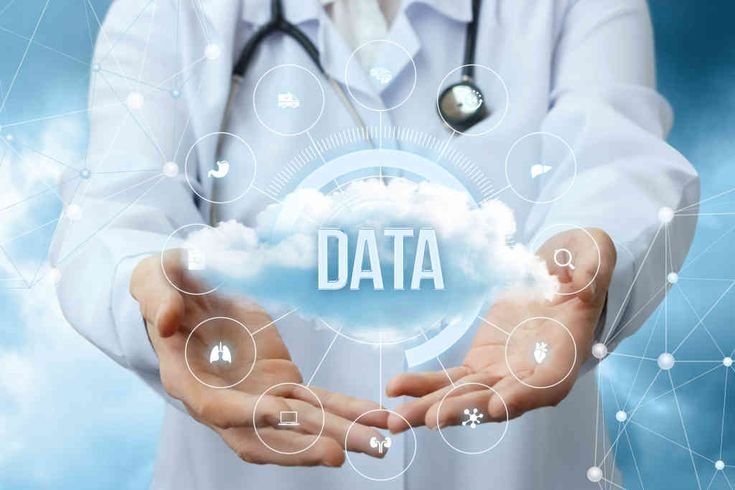
Data and analytics are transforming healthcare by enabling evidence-based decision-making and improving patient outcomes. With the growing availability of digital health data, healthcare organizations can gain valuable insights into patient health, treatment effectiveness, and operational performance.
Healthcare data comes from multiple sources, including EHRs, medical devices, wearables, and patient feedback. Analytics tools process this data to identify trends, predict risks, and support clinical decisions.
One of the most important applications of healthcare analytics is predictive analysis. By analyzing historical data, healthcare providers can identify patients at risk of developing chronic conditions or complications. Early intervention improves outcomes and reduces costs.
Analytics also supports personalized medicine. Data-driven insights help tailor treatment plans based on individual patient characteristics, improving effectiveness and reducing side effects.
Operational analytics improves efficiency within healthcare organizations. Insights into resource utilization, patient flow, and staffing help optimize operations and reduce wait times.
However, managing healthcare data requires strong governance. Data accuracy, privacy, and interoperability are critical challenges that must be addressed to ensure reliable insights.
In summary, data and analytics are essential tools for improving healthcare outcomes. By leveraging insights responsibly, healthcare organizations can deliver better care and enhance patient experiences.








Why Is the Most American Fruit So Hard to Buy?
There is evidence that the food industry designs ultra-processed foods to be...
Oprah2 Mins read

Winners of Wildlife Photographer of the Year 2022
There is evidence that the food industry designs ultra-processed foods to be...
Oprah2 Mins read


Leave a comment