
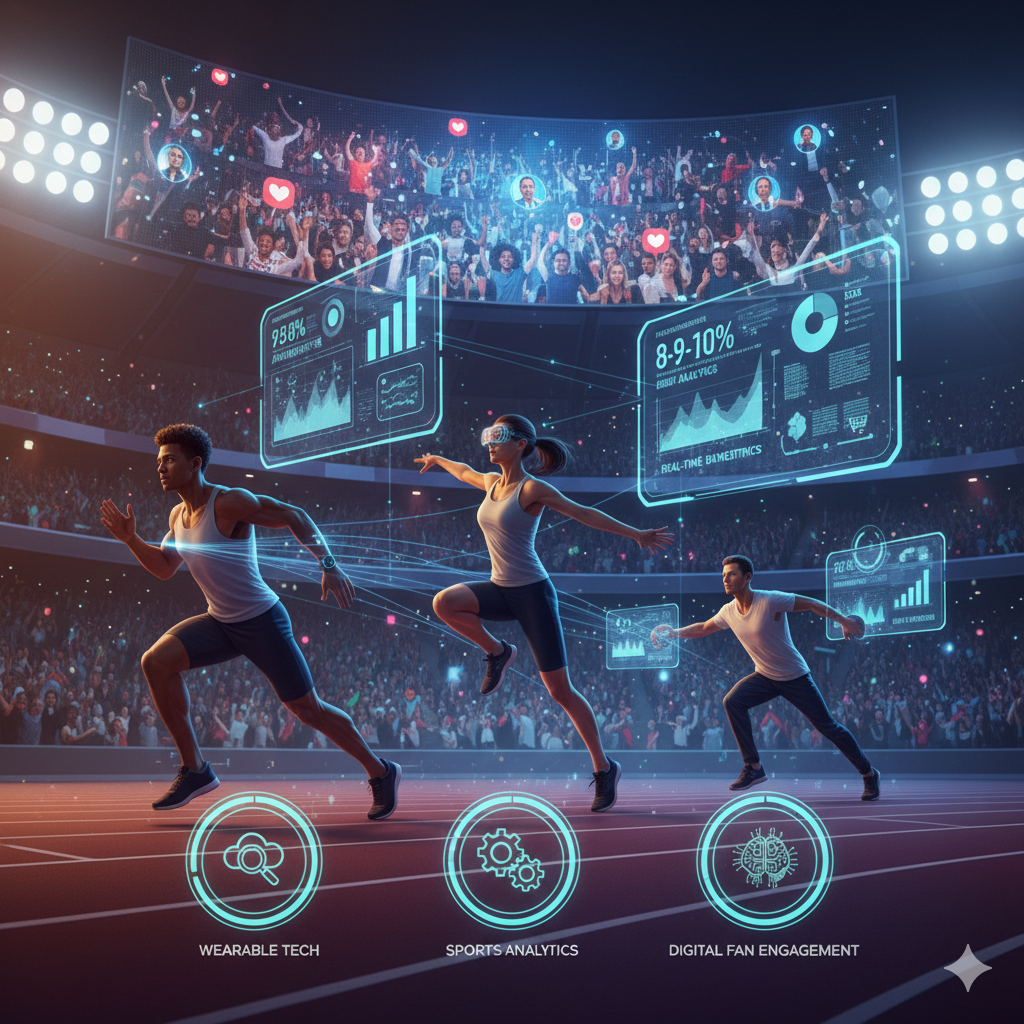
Technology has become an integral part of modern sports, transforming how athletes train, how teams perform, and how fans engage with their favorite games. From performance analytics to immersive fan experiences, technology is reshaping the sports industry at every level.
One of the most impactful areas of technological advancement in sports is performance analysis. Wearable devices, sensors, and GPS trackers collect real-time data on athletes’ movements, heart rate, speed, and endurance. Coaches and trainers use this data to optimize training programs, reduce injury risk, and improve overall performance.
Video analytics has also revolutionized sports strategy. High-definition cameras and AI-powered software analyze gameplay footage to identify patterns, strengths, and weaknesses. Teams can study opponents more effectively and refine tactics based on data-driven insights rather than intuition alone.
Technology has also enhanced sports medicine and injury management. Advanced imaging, recovery tools, and predictive analytics help medical teams diagnose injuries quickly and design personalized rehabilitation programs. This shortens recovery time and extends athletes’ careers.
Fan engagement has evolved significantly with the rise of digital platforms. Mobile apps, social media, live streaming, and augmented reality experiences allow fans to connect with teams and players like never before. Sports organizations now leverage data and technology to deliver personalized content and interactive experiences.
Despite its benefits, technology adoption in sports comes with challenges, including high costs and data privacy concerns. Teams must balance innovation with ethical considerations and fair competition.
In conclusion, technology is transforming sports by enhancing performance, safety, and fan engagement. As innovation continues, technology will play an even greater role in shaping the future of sports.








Teachers, Nurses, and Child-Care Workers Have Had Enough
There is evidence that the food industry designs ultra-processed foods to be...
 Oprah2 Mins read

Winners of the 2022 Nature Conservancy Photo Contest
There is evidence that the food industry designs ultra-processed foods to be...
Oprah2 Mins read


Leave a comment