
How Digital Technology Is Transforming the Healthcare Industry
 OprahDecember 22, 20251 Mins read0

The healthcare industry is undergoing a major transformation driven by digital technology. From patient care to administrative operations, technology is improving efficiency, accessibility, and outcomes across the healthcare ecosystem. Digital health solutions are helping providers deliver better care while empowering patients to take control of their health.
One of the most significant advancements in healthcare technology is telemedicine. Virtual consultations allow patients to connect with healthcare professionals remotely, reducing travel time and improving access to care. Telemedicine has proven especially valuable in rural areas and during public health emergencies.
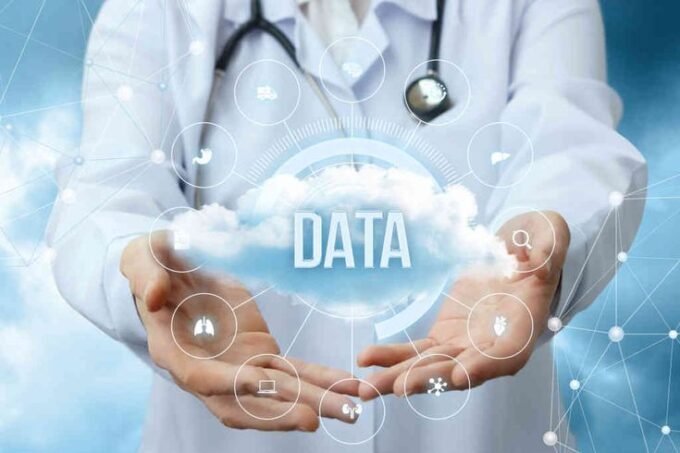
Electronic Health Records (EHRs) have streamlined data management in healthcare. By digitizing patient records, healthcare providers can access accurate information quickly, improve coordination, and reduce errors. EHRs also support data analytics for population health management.
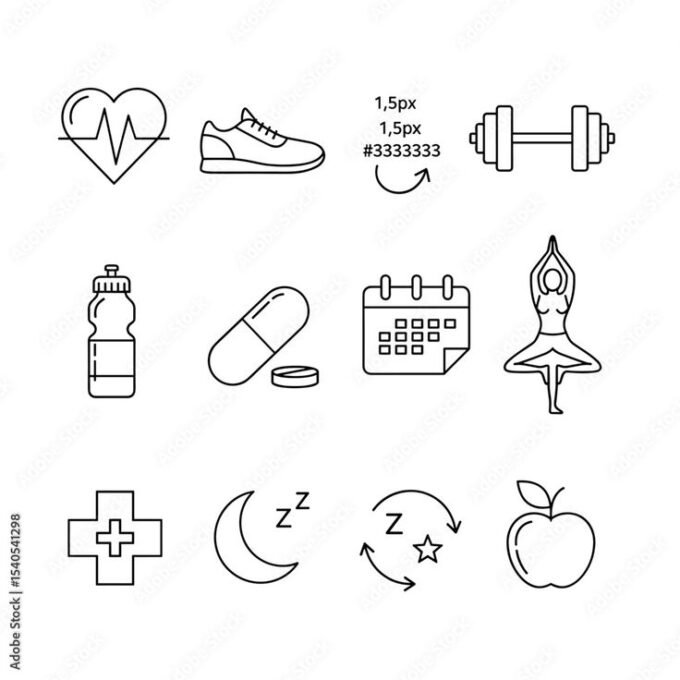
Wearable devices and health monitoring tools are changing how patients manage chronic conditions. Smartwatches and fitness trackers collect real-time data on heart rate, activity, sleep, and more. This data enables early detection of health issues and personalized treatment plans.
Artificial Intelligence is playing a growing role in diagnostics and treatment. AI-powered tools assist doctors in analyzing medical images, predicting disease risks, and recommending treatment options. These technologies enhance accuracy and speed in clinical decision-making.
Despite these benefits, digital health adoption faces challenges such as data privacy, security concerns, and regulatory compliance. Healthcare organizations must ensure patient data is protected and systems are interoperable.
In conclusion, digital technology is reshaping healthcare by improving access, efficiency, and patient outcomes. As innovation continues, technology will play an increasingly vital role in building a smarter and more patient-centric healthcare system.






Why Is the Most American Fruit So Hard to Buy?
There is evidence that the food industry designs ultra-processed foods to be...
Oprah2 Mins read

Winners of Wildlife Photographer of the Year 2022
There is evidence that the food industry designs ultra-processed foods to be...
Oprah2 Mins read


Leave a comment