
How Artificial Intelligence Is Transforming Modern Marketing
 OprahDecember 19, 20252 Mins read0
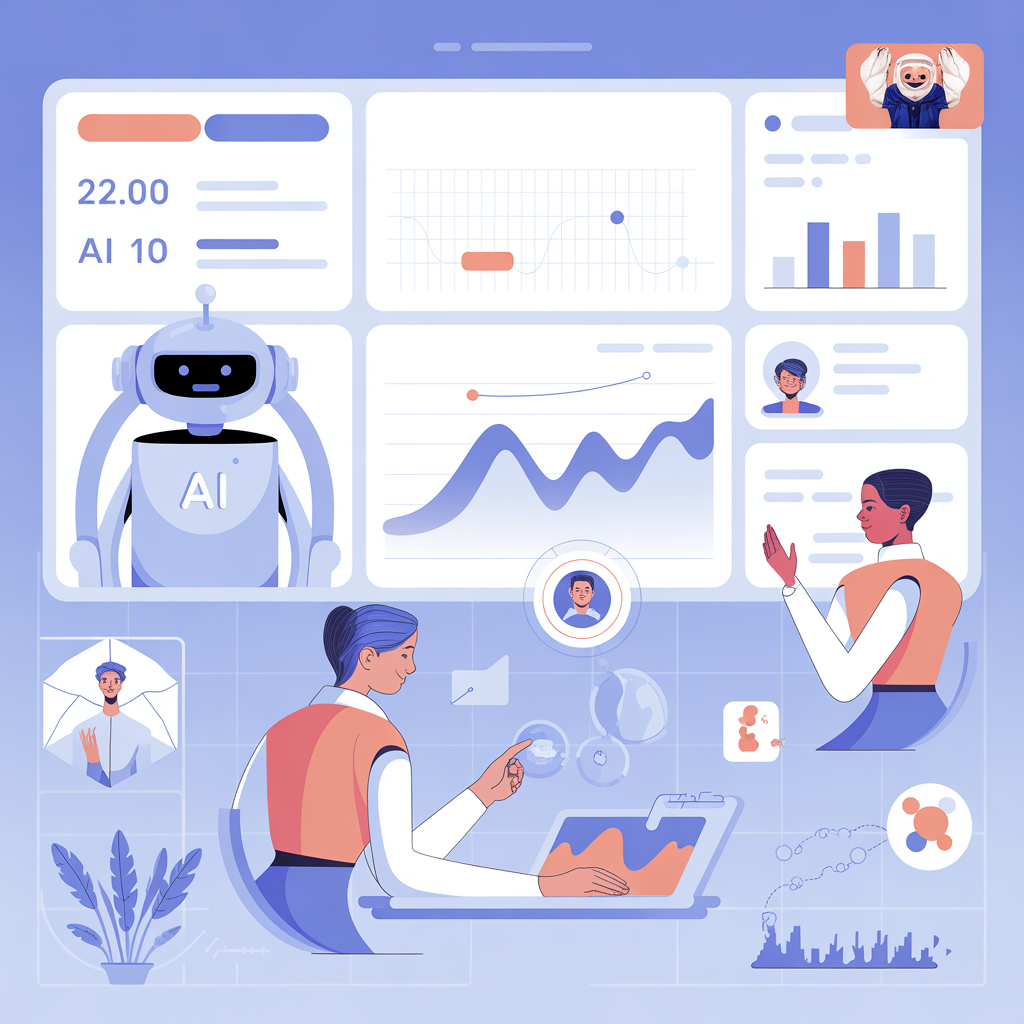
Artificial Intelligence (AI) has moved from being a futuristic concept to becoming a core pillar of modern marketing strategies. Today, marketers are no longer relying only on intuition or historical trends. Instead, AI-powered tools analyze massive volumes of data in real time, enabling brands to make smarter, faster, and more personalized decisions. From customer segmentation to campaign optimization, AI is reshaping how businesses connect with their audiences.
One of the most significant contributions of AI in marketing is data-driven decision-making. Traditional marketing analytics often struggle with large, complex datasets. AI algorithms, however, can process millions of data points from websites, social media, CRM systems, and ad platforms simultaneously. This allows marketers to uncover hidden patterns, predict customer behavior, and identify which strategies are most likely to succeed.
Personalization is another area where AI is making a huge impact. Modern consumers expect brands to understand their preferences and deliver relevant experiences. AI enables hyper-personalization by analyzing user behavior, purchase history, browsing patterns, and engagement metrics. For example, e-commerce platforms use AI to recommend products tailored to individual customers, while email marketing tools dynamically customize subject lines, content, and send times for each user.
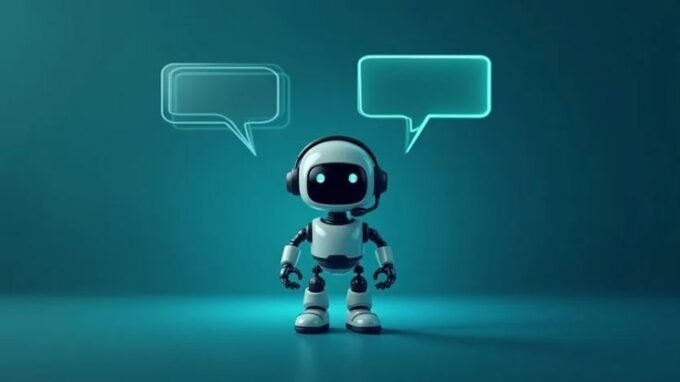
AI is also transforming customer engagement through chatbots and virtual assistants. AI-powered chatbots can handle customer queries 24/7, provide instant responses, and guide users through the buyer journey. Unlike traditional rule-based bots, modern AI chatbots learn from interactions, improving their accuracy and conversational abilities over time. This not only enhances customer satisfaction but also reduces operational costs for businesses.
In advertising, AI plays a critical role in optimizing ad campaigns. Platforms like Google Ads and Meta Ads use AI algorithms to automatically adjust bids, target the right audiences, and optimize creatives based on performance data. Marketers can achieve higher ROI by letting AI continuously test and refine campaigns in real time. This reduces guesswork and ensures that marketing budgets are used efficiently.
Another powerful application of AI in marketing is predictive analytics. By analyzing historical data, AI models can forecast future trends, customer churn, and lifetime value. This helps marketers plan campaigns proactively rather than reactively. For instance, AI can predict which customers are likely to stop engaging with a brand, allowing marketers to launch targeted retention campaigns before it’s too late.
Despite its many benefits, adopting AI in marketing also comes with challenges. Data privacy, ethical considerations, and transparency are major concerns. Marketers must ensure compliance with data protection regulations and use AI responsibly. Additionally, AI should complement human creativity, not replace it. Successful marketing strategies strike a balance between AI-driven insights and human intuition.
In conclusion, AI is transforming modern marketing by enabling smarter decisions, deeper personalization, and more efficient operations. As AI technology continues to evolve, marketers who embrace it early will gain a significant competitive advantage in an increasingly digital and data-driven marketplace.








Leave a comment