
GA4 Advanced Features Every Marketer Should Be Using
 OprahDecember 16, 20251 Mins read0
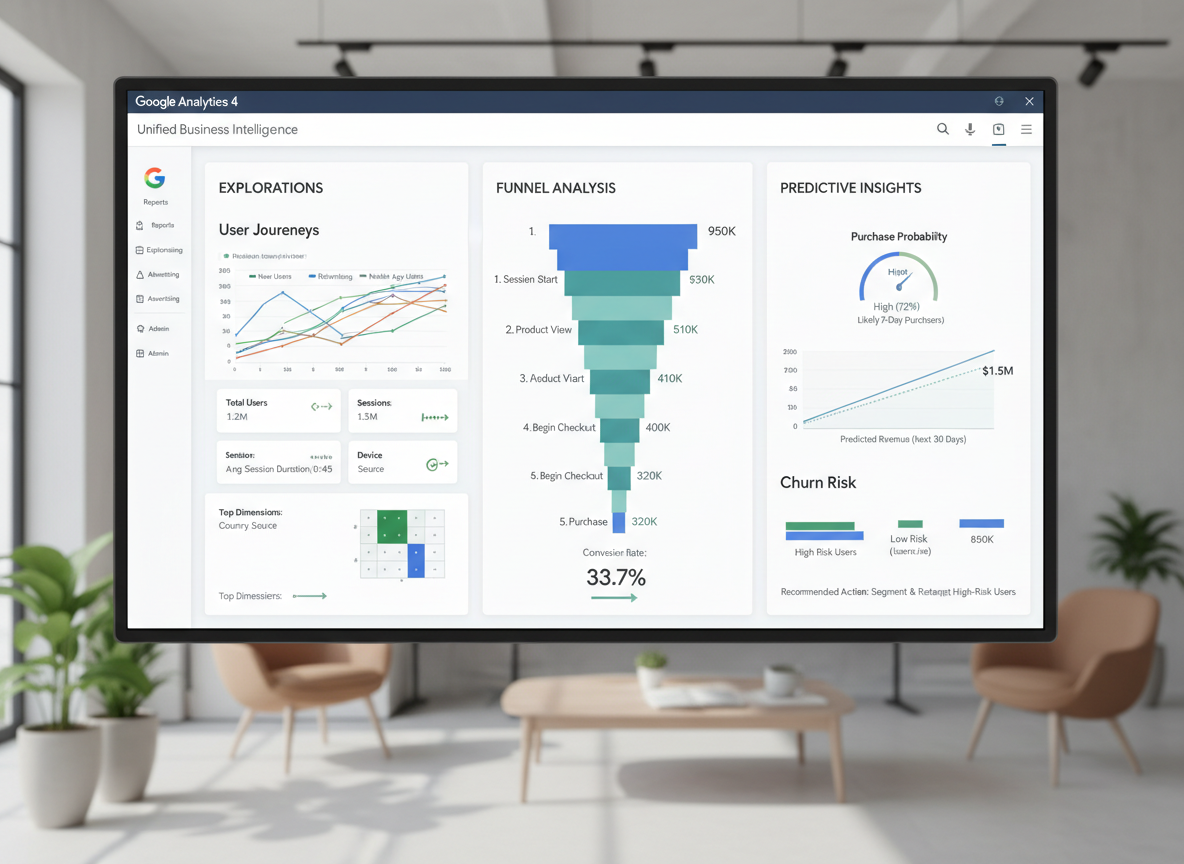
Google Analytics 4 is far more powerful than Universal Analytics ever was, but most marketers barely use 20% of what it offers. GA4’s value isn’t in basic traffic reports — it’s in the advanced features that enable deeper insights, cleaner attribution, and better decision-making.
The first major upgrade is Event-based tracking. GA4 tracks scrolls, file downloads, outbound clicks, video engagement, form interactions, and more — without manual setup. Marketers who configure custom events (add_to_cart, search, lead_submit) unlock a real view of user behavior.
Explorations are GA4’s hidden weapon. Path exploration reveals navigation patterns and drop-off points; funnel exploration shows conversion bottlenecks; segment overlap identifies audience intersections you never knew existed. These insights translate directly into better funnel optimization.
Predictive metrics are another major leap. GA4 can estimate purchase probability, churn likelihood, and revenue forecasts for specific user groups. Combined with audiences, marketers can retarget high-value users and suppress wasteful segments.
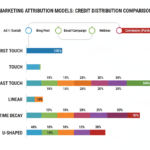
GA4’s Attribution model comparison reveals which channels actually drive conversions — not just clicks. You can compare data-driven, last-click, first-click, and linear models to understand how discovery, engagement, and conversion paths interact.
Custom reports let marketers build dashboards tailored to business goals. Instead of drowning in irrelevant data, teams see exactly what matters: conversion paths, retention trends, and revenue sources.
Finally, GA4’s BigQuery integration makes enterprise-level analysis accessible without expensive BI tools. You can run SQL queries, build advanced dashboards, and combine analytics with CRM or ads data.
Most marketers complain about GA4 simply because they don’t understand its power. Those who master the advanced features gain a measurement advantage that compounds over time.








Leave a comment