
Building Automated Customer Journeys That Actually Work
 OprahDecember 16, 20251 Mins read0
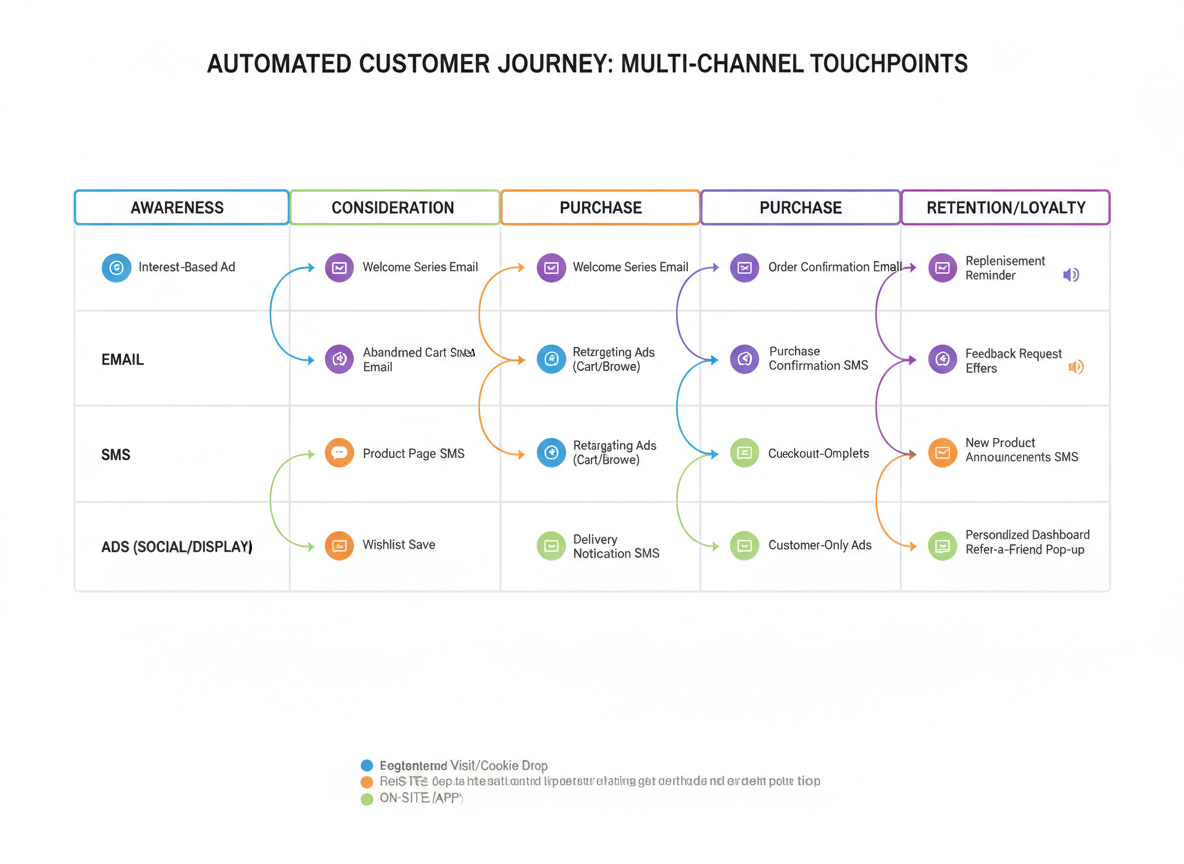
Most brands think they have customer journeys, but what they really have are disconnected email sequences. A true automated journey guides a customer through awareness, evaluation, decision, purchase, and retention—powered by real behavior and context.
Effective automated journeys start with mapping intent signals. What does a prospect do first? What pages do they visit? What content do they download? Each action becomes a trigger for the next step.
To build a functional journey, marketers must separate users into lifecycle stages: new visitors, prospects, leads, MQLs, customers, repeat customers, and churn risks. Each stage needs its own automated experiences.
AI plays a huge role in modern journeys. It predicts next-best actions, identifies friction points, and personalizes messaging. AI analyzes thousands of journeys simultaneously, optimizing paths that lead to conversions.
Cross-channel coordination is essential. Customer journeys fail when email says one thing, ads say another, and SMS sends unrelated messages. Automated journeys must sync communications across email, ads, SMS, chat, and in-app messaging.
Measurement determines success. Marketers must track drop-off points, conversion paths, content interactions, and journey velocity. Adjustments must be ongoing—not annual.
Brands that build dynamic customer journeys dominate retention and lifetime value. Static funnels die; automated journeys win.








Leave a comment