
AI-Powered Chatbots and Virtual Assistants in Marketing
 OprahDecember 23, 20251 Mins read0
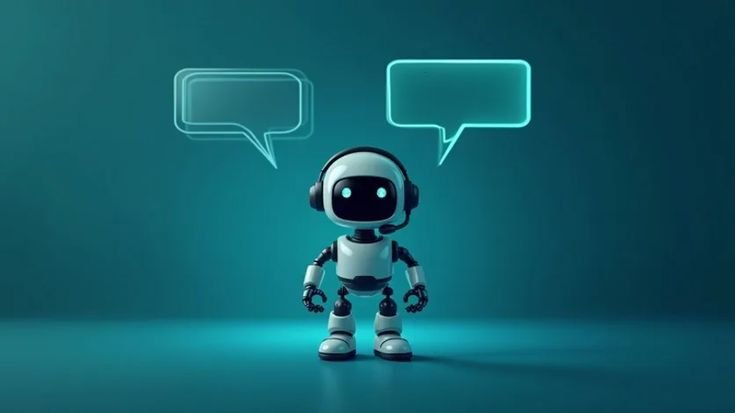
AI-powered chatbots and virtual assistants have revolutionized customer communication. These tools provide instant, personalized, and consistent interactions, significantly improving customer experience.
Chatbots use Natural Language Processing (NLP) to understand customer queries and respond in real time. Unlike traditional customer support, chatbots operate 24/7, ensuring customers receive help whenever they need it. This improves satisfaction while reducing operational costs.
In marketing, chatbots play a key role in lead generation and qualification. They can engage website visitors, ask relevant questions, and collect contact details. Based on responses, chatbots can qualify leads and route them to sales teams.
Chatbots also support personalized marketing. By analyzing previous interactions and customer data, they deliver tailored recommendations, product suggestions, and offers. This level of personalization drives higher engagement and conversion rates.
Virtual assistants extend chatbot capabilities by integrating with CRM systems, marketing automation platforms, and analytics tools. They help businesses track customer journeys and maintain consistent communication across channels.
Despite their benefits, chatbots must be designed carefully. Poorly trained bots can frustrate users. Continuous learning, human handoff options, and clear communication are essential for success.
AI-powered conversational marketing is no longer optional. Brands that adopt chatbots gain a competitive advantage by offering faster, smarter, and more personalized interactions.







Leave a comment