
How Artificial Intelligence Is Transforming Modern Marketing
 OprahDecember 23, 20251 Mins read3
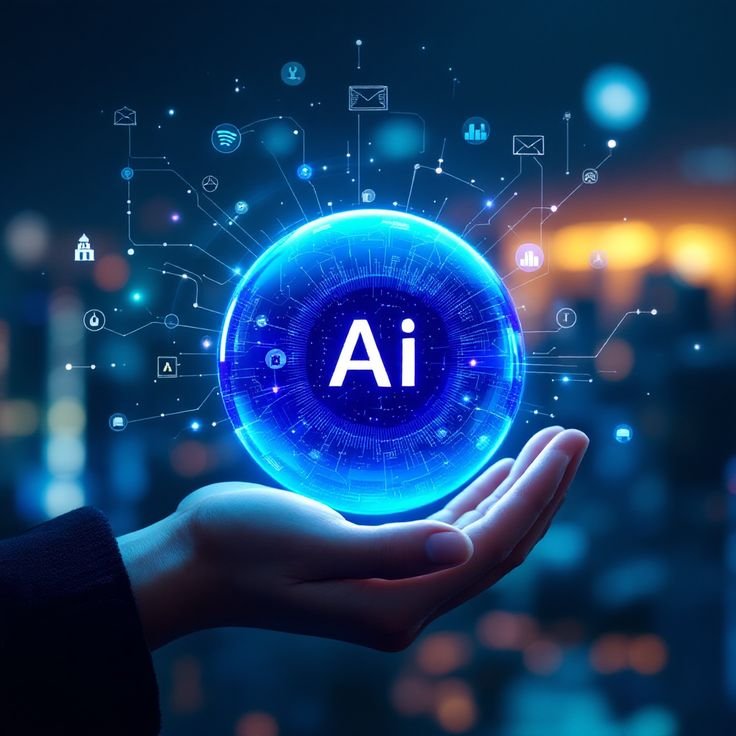
Artificial Intelligence (AI) has become one of the most powerful forces shaping modern marketing. From understanding customer behavior to delivering personalized experiences at scale, AI enables marketers to move beyond guesswork and make data-driven decisions with precision.
At its core, AI in marketing involves using machine learning algorithms, natural language processing, and predictive analytics to analyze large volumes of data. Modern consumers interact with brands across multiple channels—websites, mobile apps, social media, and email. AI helps marketers unify and interpret this data to gain meaningful insights.
One of the biggest impacts of AI is in customer segmentation. Instead of grouping customers based on basic demographics, AI identifies micro-segments based on behavior, preferences, and intent. This allows marketers to deliver highly relevant messages that improve engagement and conversion rates.
AI also plays a critical role in content personalization. Recommendation engines used by e-commerce and media platforms analyze user activity to suggest products, articles, or videos that match individual interests. Personalized experiences increase customer satisfaction and brand loyalty.
Another major advantage of AI is campaign optimization. AI-powered tools monitor marketing campaigns in real time and automatically adjust bidding strategies, creatives, and targeting. This ensures better ROI while reducing manual effort.
However, AI adoption comes with responsibilities. Marketers must ensure ethical data usage, transparency, and compliance with privacy regulations. When used responsibly, AI becomes a strategic partner that enhances creativity rather than replacing it.











Leave a comment