
Benefits and Challenges of Using AI in Marketing Strategies
 OprahDecember 19, 20251 Mins read3
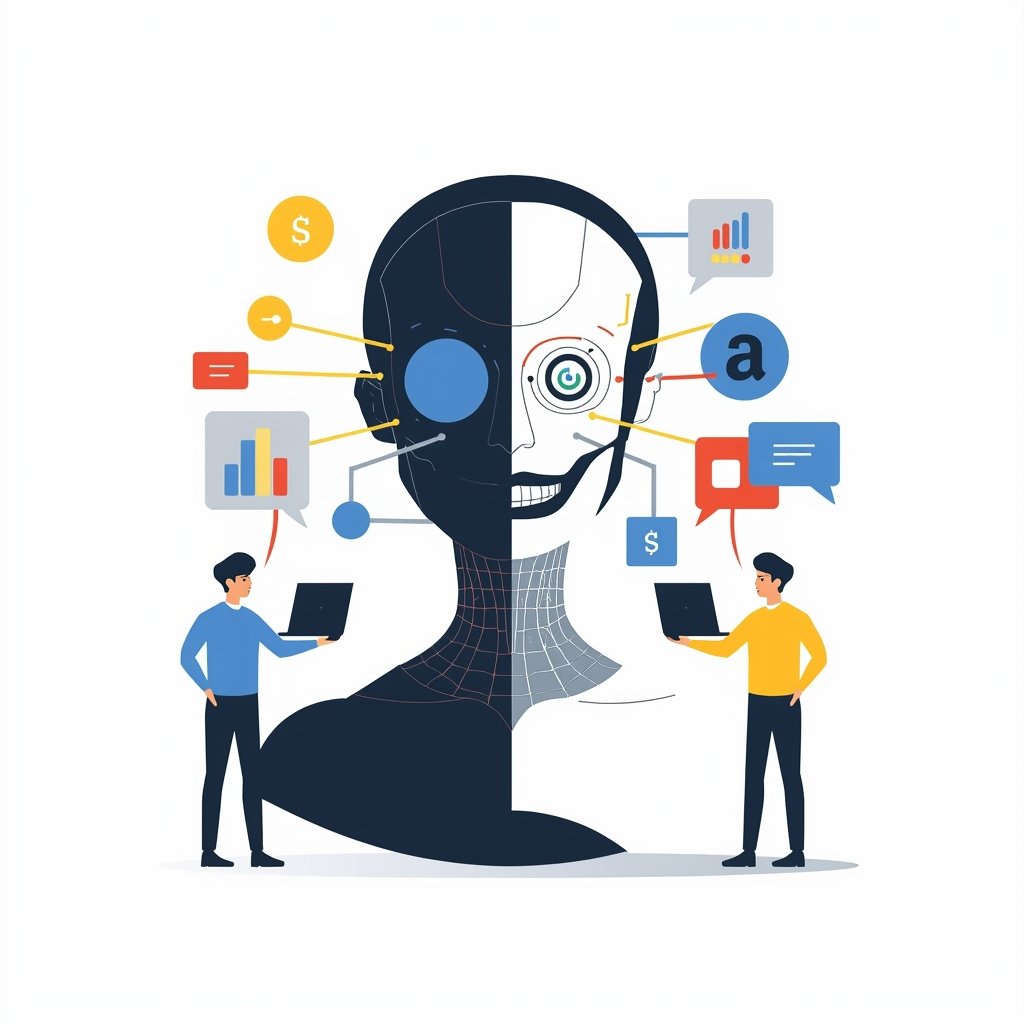
Artificial Intelligence has become a powerful tool for marketers, offering new ways to optimize campaigns, understand customers, and drive business growth. However, while the benefits of AI in marketing are significant, organizations must also navigate several challenges to implement AI effectively.
One of the biggest benefits of AI in marketing is automation. AI can automate repetitive tasks such as data analysis, report generation, email scheduling, and ad optimization. This allows marketing teams to focus more on strategy, creativity, and innovation. Automation also improves efficiency and reduces the risk of human error.
AI enhances decision-making by providing actionable insights from large datasets. Traditional analytics tools often provide descriptive insights, but AI goes a step further by offering predictive and prescriptive recommendations. Marketers can anticipate customer needs, forecast campaign performance, and make data-backed decisions with greater confidence.
Another major advantage is improved targeting and segmentation. AI can identify micro-segments within an audience that may not be visible through traditional analysis. This enables marketers to deliver highly targeted messages, resulting in better engagement and higher conversion rates.
Despite these advantages, AI adoption in marketing comes with challenges. Data quality is a critical issue. AI systems are only as good as the data they are trained on. Inaccurate, incomplete, or biased data can lead to poor recommendations and flawed strategies. Marketers must invest in data management and governance to ensure reliable outcomes.
Ethical concerns are another challenge. AI-driven marketing raises questions about data privacy, consent, and algorithmic bias. With increasing regulations around data protection, businesses must ensure compliance and use AI responsibly. Transparency in how AI systems make decisions is essential to maintaining customer trust.
Cost and complexity can also be barriers, especially for small and medium-sized businesses. Implementing AI solutions often requires specialized skills, infrastructure, and ongoing maintenance. However, the growing availability of AI-powered SaaS tools is making AI more accessible to businesses of all sizes.
To successfully leverage AI in marketing, organizations should start with clear objectives, invest in quality data, and combine AI capabilities with human expertise. Training marketing teams to understand and work with AI tools is equally important.
In conclusion, AI offers immense potential to transform marketing strategies, but success depends on thoughtful implementation. By understanding both the benefits and challenges, marketers can use AI as a strategic asset to drive sustainable growth and long-term success.










Leave a comment