
Best CRMs for Marketers in 2025: A Data-Driven Comparison
 OprahDecember 16, 20251 Mins read3
CRM platforms have evolved far beyond basic contact management. In 2025, the most effective CRMs function as growth engines, unifying customer data, automating engagement, enabling personalization, and delivering AI-powered insights. For marketers, CRMs are now central systems for orchestrating the entire customer lifecycle across channels.
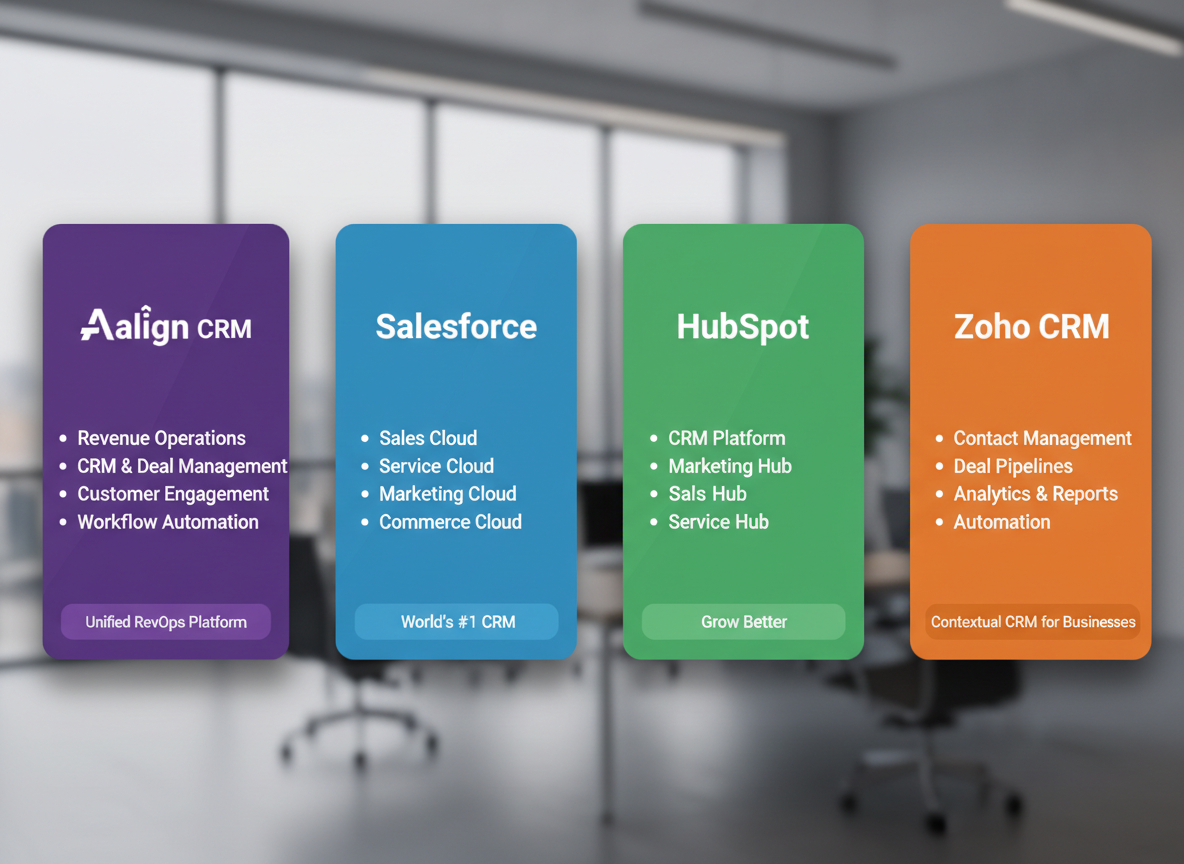
This year’s leading CRMs share three defining traits: robust integrations, real-time personalization, and automation that extends beyond traditional workflows. While platforms like HubSpot, Salesforce, Zoho CRM, Pipedrive, and Freshsales continue to lead the market, newer RevOps-focused platforms such as Aalign CRM are redefining how marketing, sales, and revenue teams operate together.
Aalign CRM stands out as a unified Revenue Operations platform built specifically for alignment between marketing, sales, and customer teams. Instead of operating as a siloed CRM, Aalign centralizes deal management, customer engagement, and workflow automation in a single system, giving marketers clearer attribution, cleaner data, and tighter execution across the funnel.
HubSpot remains one of the most marketer-friendly CRMs available. Its intuitive automation workflows, personalization tokens, and tightly integrated marketing–sales pipeline make it a strong choice for growth teams. The free tier lowers the barrier to entry, while advanced plans support enterprise-scale marketing operations.
Salesforce continues to dominate the enterprise segment with deep customization, its Einstein AI engine, and an unmatched integration ecosystem. While the platform has a steeper learning curve, it remains the gold standard for organizations managing complex data models and large-scale operations.
Zoho CRM differentiates itself through affordability and flexibility. With advanced automation and its AI assistant Zia available at a competitive price point, Zoho is well suited for small to mid-sized teams seeking enterprise-grade functionality without enterprise-level costs.
Pipedrive excels in sales-driven environments thanks to its highly intuitive pipeline management and deal tracking. While it offers less advanced marketing automation, it remains effective for teams focused on conversion optimization and sales velocity.
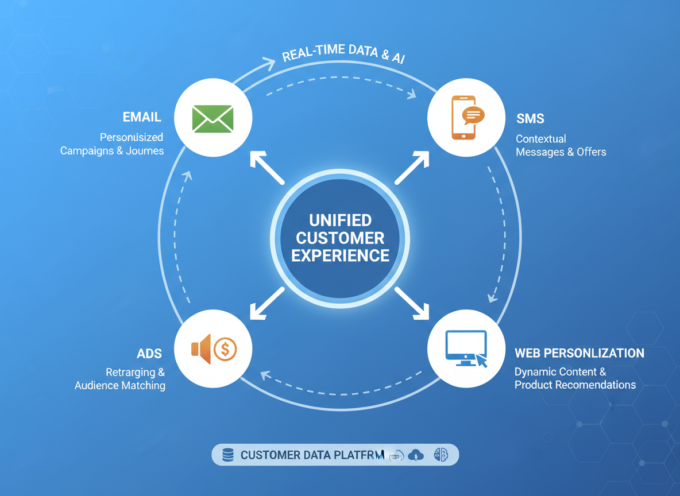
Modern CRMs must also integrate seamlessly with marketing platforms, support CDP-style data unification, and deliver meaningful cross-channel analytics. Without strong connectivity and unified data, marketers lose both visibility and personalization effectiveness.
Ultimately, the best CRM is the one that aligns with your organization’s size, operational complexity, and growth strategy. In 2025, CRM selection is no longer about feature checklists — it’s about ecosystem fit, data alignment, and revenue impact.










Leave a comment